

Chemical Storage Tanks

Chemical storage tanks are key static equipment used in the chemical, petroleum, energy, food and other industries for storing liquids or gases. Their design, selection and management directly affect production safety, environmental protection and economic benefits.
The following is a comprehensive analysis of chemical storage tanks, covering types, design, materials, accessories and safety points.
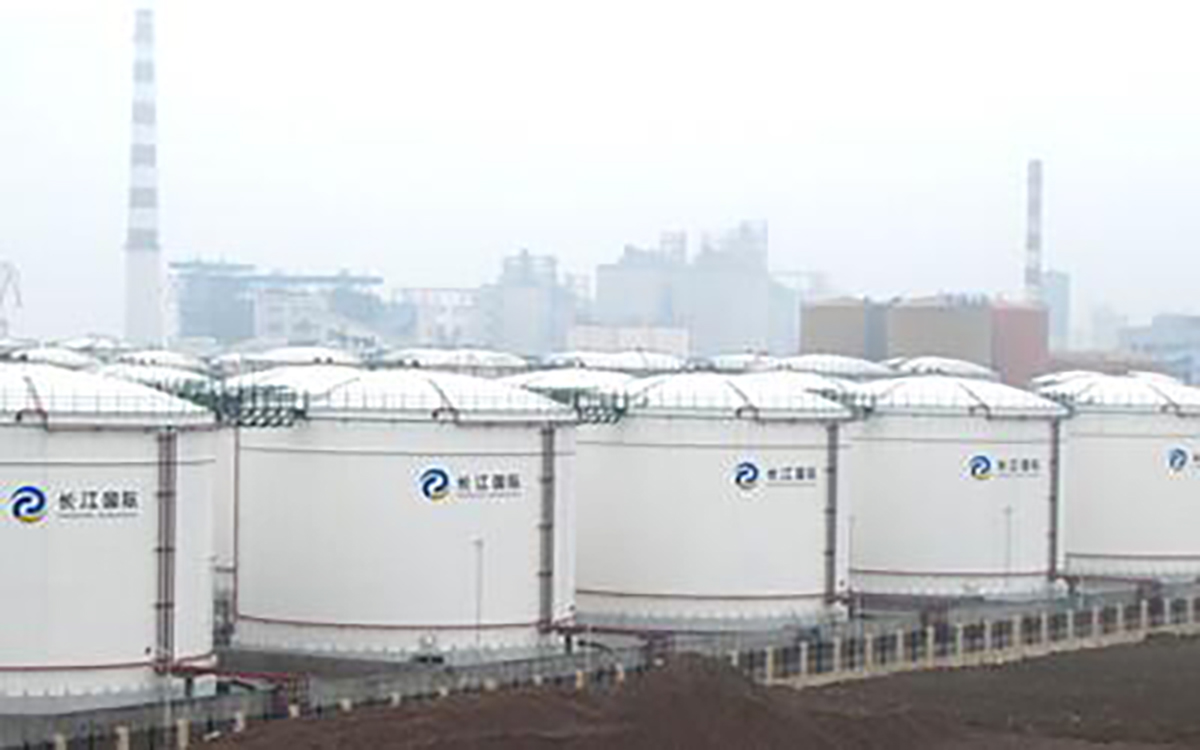
I. Main Classification (by Use and Structure)
There are many types of chemical storage tanks. The most common classification methods are as follows:
1. Classification by stored medium and pressure
This is the most core classification, which determines the basic structure of the tank.
Type Design Pressure Range Typical Structure Examples of Stored Media
Atmospheric Storage Tanks Approaching atmospheric pressure Vertical cylindrical fixed roof tanks, internal floating roof tanks, external floating roof tanks. The tank top has a vent. Non-volatile liquids such as crude oil, diesel, aromatics, ethyl acetate, etc.
Low-pressure Storage Tanks -0.5 ~ 2 kPa Arch roof tanks, fixed roof tanks with nitrogen seal. Can withstand slight positive and negative pressure. Organic liquids with slightly stronger volatility (such as gasoline).
Pressure Storage Tanks > 0.1 MPa Horizontal cylindrical tanks (with heads), spherical tanks, vertical cylindrical tanks. Liquefied petroleum gas (LPG), liquid ammonia, propylene, liquefied natural gas (LNG), compressed gases.
2. Classification by Installation Form
• Vertical Storage Tanks: Small footprint, large capacity, commonly used for large-scale above-ground storage.
• Horizontal Storage Tanks: Strong pressure resistance, commonly used for medium and small capacity pressure storage or as buffer tanks, metering tanks.
• Underground/Semi-underground Storage Tanks: High safety, good insulation, but high cost and inconvenient maintenance, mostly used for special or hazardous media.
3. Classification by Tank Top Form (for large atmospheric/low-pressure storage tanks)
• Fixed roof tanks: Conical or arched roofs, simple structure.
• Floating roof tanks:
o External floating roof tanks: The top cover floats on the liquid surface and rises and falls with the liquid level, greatly reducing breathing losses (VOCs emissions), used for crude oil, gasoline.
o Internal floating roof tanks: Add a floating deck inside a fixed roof tank, combining the advantages of a fixed roof (rain and snow protection) and a floating roof (reducing losses), the most widely used.
II. Core Design and Material Selection
1. Design Standards and Specifications
• International: API 650 (Welded Steel Oil Tanks), API 620 (Large Welded Low-Pressure Storage Tanks), ASME BPVC Section VIII (Pressure Vessels).
• China: GB 50341 "Design Code for Vertical Cylindrical Steel Welded Oil Tanks", GB/T 12337 "Steel Spherical Storage Tanks", NB/T 47003.1 "Steel Welded Atmospheric Pressure Vessels".
2. Material Selection
• Carbon steel (Q235B, Q345R): Most commonly used, low cost, for most non-corrosive media (oils, water, certain organic solvents).
• Stainless steel (304, 316L): For corrosive media (acids, alkalis), high cleanliness or food and pharmaceutical grade media.
• Low alloy steel: For low-temperature storage tanks (such as 9% nickel steel for LNG storage tanks).
• Composite materials/linings: Rubber, plastic (PP/PE), fiberglass or ceramic tile lining inside carbon steel tanks, for highly corrosive media.
• Non-metallic: All-plastic (PE) tanks, fiberglass (FRP) tanks, for small-scale storage or specific corrosive media.
III. Key Accessories and Safety Facilities
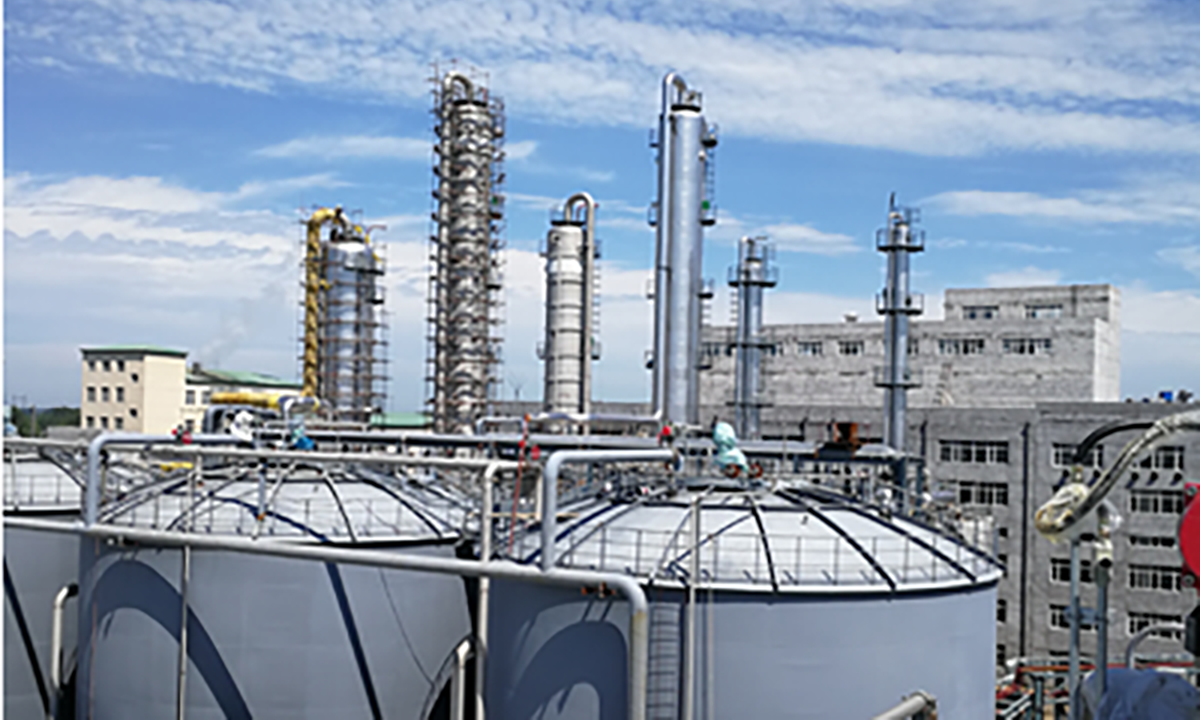 complete storage tank system is not just a tank. Its accessories are the guarantee of safe operation.
System Core Accessories Function
Level Measurement Radar level gauge, servo level gauge, magnetic flap level gauge (on-site indication) Core monitoring parameter, used for inventory management and overflow prevention.
Temperature Measurement Thermometer, multi-point temperature sensor Monitor the temperature of the medium, especially for heat-sensitive or heat-insulated media. Pressure/Vacuum Protection: Breather valve (controls normal small breathing), emergency relief valve (for fire and other abnormal situations), flame arrester. To prevent overpressure or vacuum collapse of the tank. The flame arrester prevents flame backflow.
Fire Safety: Foam fire extinguishing system, fire cooling water spray system, fire dike. For fire suppression and isolation to prevent the spread of fire.
Anti-static and Grounding: Static grounding alarm, grounding flat steel. To discharge static electricity generated during loading and unloading and prevent static sparks.
Nitrogen Blanketing System: Nitrogen valve, self-operated regulating valve. To fill the tank with nitrogen and maintain a slight positive pressure to prevent the medium from coming into contact with air (oxidation, decomposition, explosion).
Overflow Protection: High-high liquid level switch (HH), interlock to cut off the feed valve. One of the most important safety interlocks to prevent liquid overflow.
Leak Detection: Tank bottom leak detector (sensor or double-walled tank), liquid detector in the containment dike. To detect tank or pipeline leaks early.
IV. Key Points of Safety and Operation Management
1. Design and Site Selection:
o Comply with safety distance requirements (from plant boundaries, open flames, other facilities).
o Set up fire dikes/containment dikes with a volume capable of holding the maximum single tank volume for leakage collection.
o Consider natural factors such as earthquakes, wind loads, and snow loads.
2. Operation and Maintenance:
o Strict liquid level control: Prohibit overfilling (<90% volume) and emptying.
o Safety management during loading and unloading: Standardize static grounding connection, control flow rate, and have personnel supervision.
o Tank cleaning and hot work: Thorough cleaning, replacement, detection of flammable and toxic gases, and obtain a special hot work permit.
o Regular inspection: Conduct external inspection, internal inspection (after tank emptying and cleaning), and comprehensive inspection as required by regulations, and test wall thickness and corrosion conditions.
3. Environment and Health:
o VOCs treatment: For volatile organic compound storage tanks, oil and gas recovery devices (condensation, adsorption, absorption, etc.) should be equipped.
o Wastewater collection: Initial rainwater and spray wastewater should be collected and treated in the sewage system. ________________________________________
V. Special Types of Storage Tanks
• Insulated/Cold Storage Tanks: Equipped with an external insulation layer (such as polyurethane foam + aluminum sheet), used for storing cryogenic substances (such as LNG at -162°C) or media that require temperature maintenance (such as high-temperature heat transfer oil).
• Double-Wall Tanks/Leak-Proof Tank Pits: An environmental standard configuration for underground storage tanks, where an inner layer leakage can be detected by the interlayer or detectors in the tank pit, preventing soil and groundwater pollution.
• Agitation Tanks/Mixing Tanks: Fitted with agitators, used for mixing, reactions, or preventing solid sedimentation.
• Weighing Tanks/Metering Tanks: Installed on weighing modules for precise measurement. Summary
Chemical storage tanks are the "liver" of chemical plants, undertaking the storage and buffering functions of raw materials, intermediate products, and finished products. Their management is a systematic project, involving multiple specialties such as process, equipment, instrumentation, safety, and environmental protection. Modern storage tank management is moving towards highly automated and intelligent monitoring (such as tank farm management systems), inherent safety (reducing inventory and substituting high-risk media), and green environmental protection (zero VOCs leakage). Any neglect of storage tanks may lead to catastrophic accidents, thus they must be given the highest level of attention.
Related products
-

Residue Dryer
Equipment Description The residue dryer pioneered the development and promotion can make the waste residue produced by DMF recovery device completely dry, and form slag formation. To improve the DMF recovery rate, reduce the pollution of the environment, reducing the labor intensity of workers, too. The dryer has been in a number of enterprises to obtain good results. Equipment Picture
-

DMAC Solvent Recovery Plant
DMAC Recovery Plant 说明 Brief Introduction 本套DMAC回收系统采用负压MVR浓缩+二效真空精馏工艺将DMAC与水分离,结合真空脱酸塔(精制塔)可得到指标优异DMAC产品。结合蒸发过滤、残液蒸干系统,可使废液中的PVP形成固体残渣排出系统,提高回收率的同时减少污染。 This DMAC recovery plant uses negative pressure MVR concentration + two-effect vacuum distillation process to separate DMAC from water, and combines with vacuum deacidification tower (refining tower) to obtain DMAC product...
-

DMF Effluent Recovery Plant
General Description This proposal is designed for the recovery of DMF effluent generated during process of RO membrane production. Due to the low effluent concentration (~5%), considering the operating cost of the DMF effluent recovery equipment, the process flow is designed based on a three-efficiency energy-saving process, including two-stage concentration and dehydration, one-stage distillation and one-stage deacidification and refining. At the same time, the en...
-

DCS Control System
System Description DMF recovery process is a typical chemical distillation process, characterized by a large degree of correlation between process parameters and a high requirement for recovery indicators. From the current situation, the conventional instrument system is difficult to achieve real-time and effective monitoring of the process, so the control is often unstable and the composition exceeds the standard, which affects the production efficiency of enterpri...
-

Toluene Recovery Plant
Equipment Description The toluene recovery plant in the light of the super fiber plant extract section, innovate the single effect evaporation for double-effect evaporation process, to reduce energy consumption by 40%, combined with falling film evaporation and the residue processing continuous operation, reducing the polyethylene in the residual toluene, improve the recovery rate of toluene. Toluene waste treatment capacity is 12~ 25t / h Toluene recovery rate ≥99% ...
-

DMAC Solvent Recovery Plant
Equipment Description This DMAC recovery system uses five-stage vacuum dehydration and one-stage high vacuum rectification to separate DMAC from water, and combines with vacuum deacidification column to obtain DMAC products with excellent indexes. Combined with evaporation filtration and residual liquid evaporation system, the impurities mixed in DMAC waste liquid can form solid residue, improve the recovery rate and reduce pollution. This device adopts the main proc...