

DMA Treatment Plant

Main Features
During the DMF rectifying and recovery process, due to the high temperature and Hydrolysis, parts of the DMF will be disintergrated to FA and DMA. The DMA will cause odor pollution, and bring serious impact for the operation environment and the enterprise. To follow the idea of Environment protection, the DMA waste should be incinerated, and discharged without pollution.
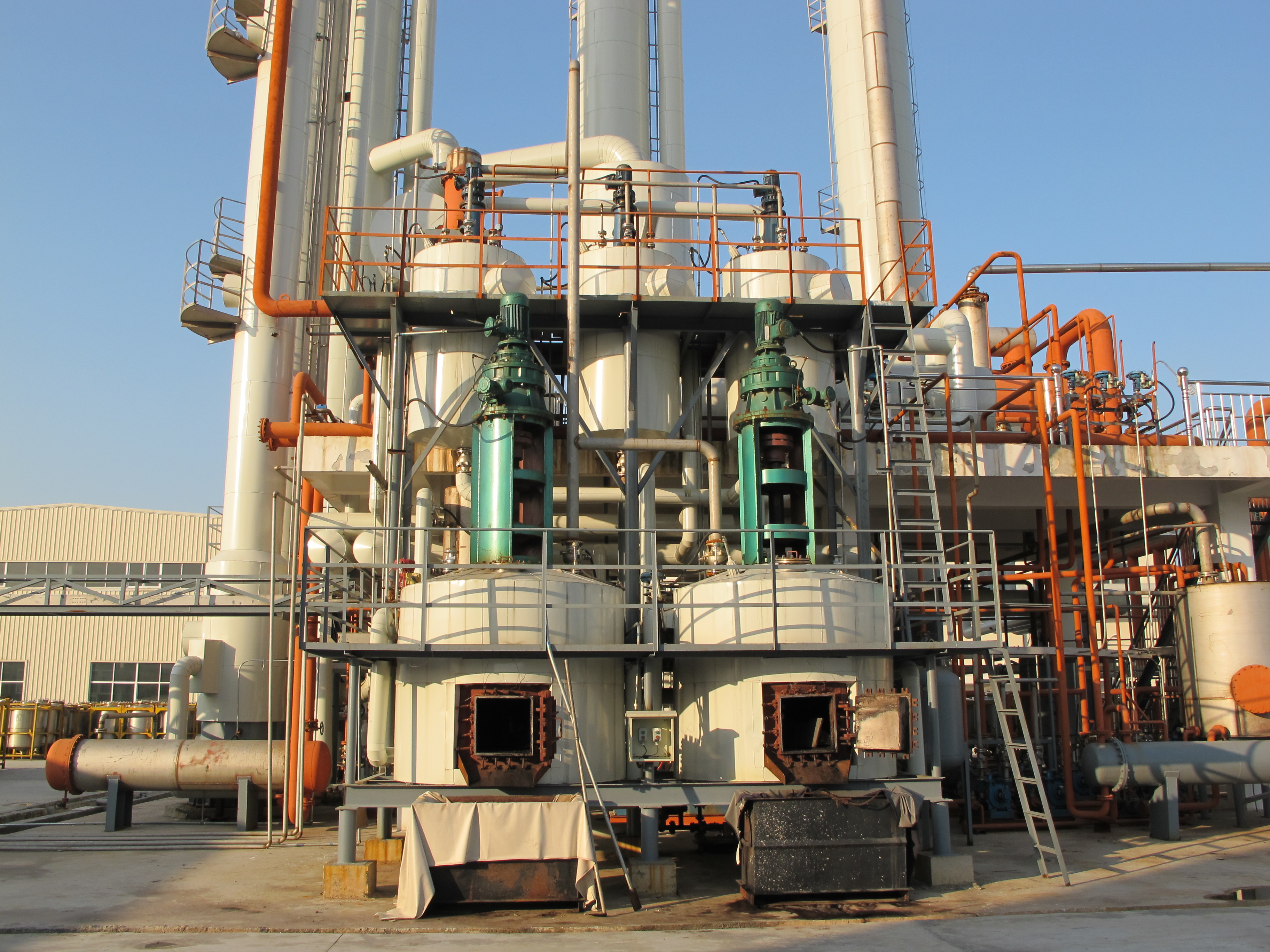
We have developed the DMA wastewater purification process, can get about 40% industrial DMA solvent. It makes the DMA become the treasure; can solve the problem of environmental pollution at the same time for enterprises to increase economic benefit.
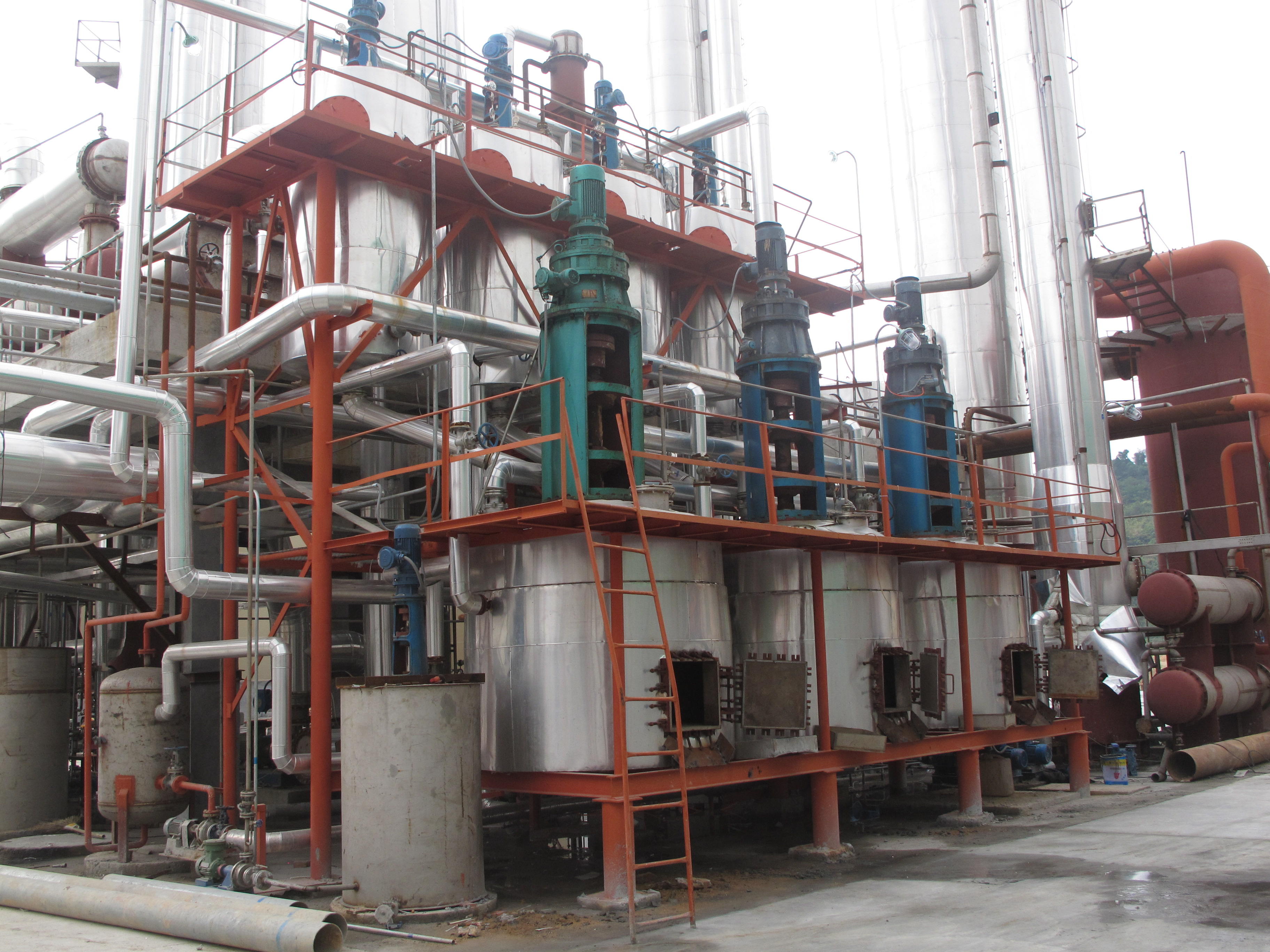
Related products
-

DMF Effluent Recovery Plant
General Description This proposal is designed for the recovery of DMF effluent generated during process of RO membrane production. Due to the low effluent concentration (~5%), considering the operating cost of the DMF effluent recovery equipment, the process flow is designed based on a three-efficiency energy-saving process, including two-stage concentration and dehydration, one-stage distillation and one-stage deacidification and refining. At the same time, the en...
-

DMAC Solvent Recovery Plant
DMAC Recovery Plant 说明 Brief Introduction 本套DMAC回收系统采用负压MVR浓缩+二效真空精馏工艺将DMAC与水分离,结合真空脱酸塔(精制塔)可得到指标优异DMAC产品。结合蒸发过滤、残液蒸干系统,可使废液中的PVP形成固体残渣排出系统,提高回收率的同时减少污染。 This DMAC recovery plant uses negative pressure MVR concentration + two-effect vacuum distillation process to separate DMAC from water, and combines with vacuum deacidification tower (refining tower) to obtain DMAC product...
-

DCS Control System
System Description DMF recovery process is a typical chemical distillation process, characterized by a large degree of correlation between process parameters and a high requirement for recovery indicators. From the current situation, the conventional instrument system is difficult to achieve real-time and effective monitoring of the process, so the control is often unstable and the composition exceeds the standard, which affects the production efficiency of enterpri...
-

DMF Solvent Recovery Plant
Process brief introduction After the DMF solvent from the production process is preheated, it enters the dehydrating column. The dehydrating column is provided with heat source by the steam on the top of the rectification column. The DMF in the column tank is concentrated and pumped into the evaporation tank by the discharge pump. After the waste solvent in the evaporation tank is heated by the feed heater, the vapor phase enters the rectification column for rectif...
-

Toluene Recovery Plant
Equipment Description The toluene recovery plant in the light of the super fiber plant extract section, innovate the single effect evaporation for double-effect evaporation process, to reduce energy consumption by 40%, combined with falling film evaporation and the residue processing continuous operation, reducing the polyethylene in the residual toluene, improve the recovery rate of toluene. Toluene waste treatment capacity is 12~ 25t / h Toluene recovery rate ≥99% ...
-

DMAC Solvent Recovery Plant
Equipment Description This DMAC recovery system uses five-stage vacuum dehydration and one-stage high vacuum rectification to separate DMAC from water, and combines with vacuum deacidification column to obtain DMAC products with excellent indexes. Combined with evaporation filtration and residual liquid evaporation system, the impurities mixed in DMAC waste liquid can form solid residue, improve the recovery rate and reduce pollution. This device adopts the main proc...