

Residue Dryer

Equipment Description
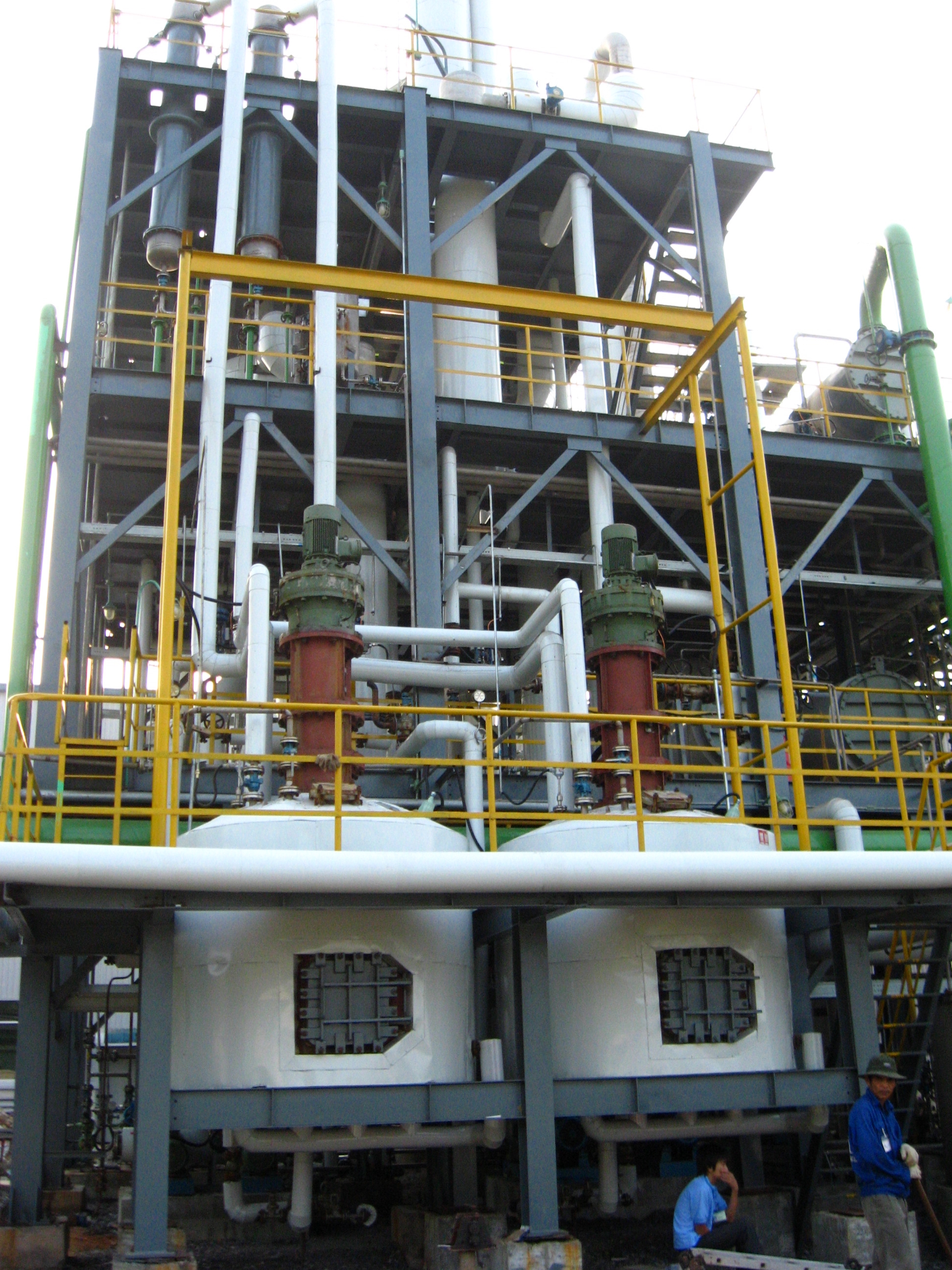
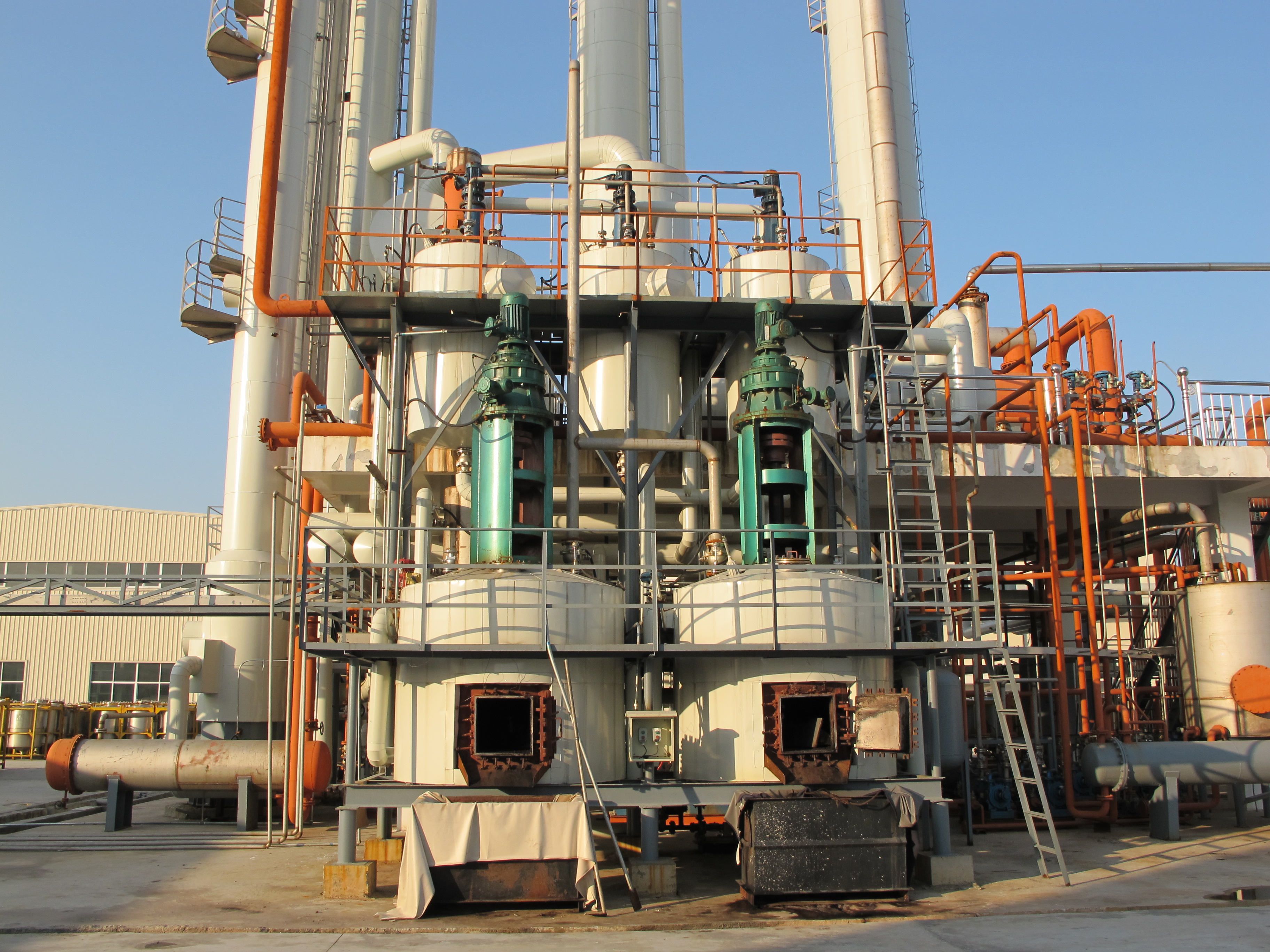
The residue dryer pioneered the development and promotion can make the waste residue produced by DMF recovery device completely dry, and form slag formation. To improve the DMF recovery rate, reduce the pollution of the environment, reducing the labor intensity of workers, too. The dryer has been in a number of enterprises to obtain good results.
Equipment Picture
Related products
-

DMAC Solvent Recovery Plant-New Technology
MAC, as an excellent polar solvent, is widely used in polyurethane, pharmaceuticals, pesticides, high molecular membranes (such as PVDF), and electronic chemicals. However, DMAC has certain toxicity and poor biodegradability, and its waste liquid must be effectively treated and recycled. Traditional recovery methods (such as ordinary distillation) have problems such as high energy consumption, limited product purity, and easy decomposition. This article will focus on...
-

DMAC Solvent Recovery Plant
DMAC Recovery Plant 说明 Brief Introduction 本套DMAC回收系统采用负压MVR浓缩+二效真空精馏工艺将DMAC与水分离,结合真空脱酸塔(精制塔)可得到指标优异DMAC产品。结合蒸发过滤、残液蒸干系统,可使废液中的PVP形成固体残渣排出系统,提高回收率的同时减少污染。 This DMAC recovery plant uses negative pressure MVR concentration + two-effect vacuum distillation process to separate DMAC from water, and combines with vacuum deacidification tower (refining tower) to obtain DMAC product...
-

PLC Control System in DMF Recovery
1. Process Overview: What is DMF Recovery? DMF is a common industrial solvent. Due to its cost and environmental regulations, it is often recovered from waste streams (e.g., from pharmaceutical or synthetic leather industries) rather than disposed of. The most common method is Distillation: Feeding: The waste DMF mixture is pumped from a storage tank into a distillation column. Heating: The mixture is heated in a reboiler. DMF has a higher boiling point than water a...
-

DMF Waste Gas Recovery Plant
Equipment Description In the light of the dry & wet production lines of the synthetic leather enterprises emitted DMF exhaust gas, the DMF waste gas recovery plant can make the exhaust reaches the requirements of environmental protection, and recycling the DMF components, using high performance fillers make DMF recovery efficiency higher. The DMF recovery can reach above 95%. The device adopts the cleaning technology of spray adsorbent. DMF is easy to dissolve in...
-

DCS Control System
System Description DMF recovery process is a typical chemical distillation process, characterized by a large degree of correlation between process parameters and a high requirement for recovery indicators. From the current situation, the conventional instrument system is difficult to achieve real-time and effective monitoring of the process, so the control is often unstable and the composition exceeds the standard, which affects the production efficiency of enterpri...
-

MVR in DMF recovery
MVR in DMF recovery The MVR (Mother Vapor Recompression) function in DMF (Dimethylformamide) recovery systems is a key energy-saving technology used to enhance efficiency in solvent recovery processes, particularly in industries like pharmaceuticals, chemicals, and synthetic leather manufacturing, where DMF is widely used. Role of MVR in DMF Recovery Plant Energy Efficiency Traditional distillation for DMF recovery consumes significant energy due to high boiling p...